Throttle wheel installation
The throttle wheel can be used with a range of carburettors and throttle bodies but is specifically designed to work with the DCOE carburettor.
The throttle wheel has a standard slotted shaft fitment and should fit any carburettor or throttle body with an 8mm shaft.
The throttle wheel is supplied with a throttle stop, spring arm and the throttle wheel itself.
To fit the throttle wheel it is necessary to remove the exiting throttle arm from the carburettor and replace it with the throttle wheel and throttle stop.
The throttle wheel can be fitted in left or right orientation. As standard DCOE carburettors has the throttle lever on the right side of the carburettor if looking down the inlet. On our supercharger kits we swap the throttle arm to the opposite side of the carburettor.
- Bend back the locking tab retaining the shaft nut
- Loosen and remove the shaft nut
- Remove the throttle lever and on the opposite side the keeper plate but leave the small washers on the shaft. You should have one small washer on each side
- Unscrew the throttle stop screw and transfer it to the opposite side of the carburettor
- Now test fit the throttle stop on the shaft. You will note that the tang sticks out at an angle relative to the flats on the throttle shaft. The throttle stop should be oriented with the tang sloping downwards.
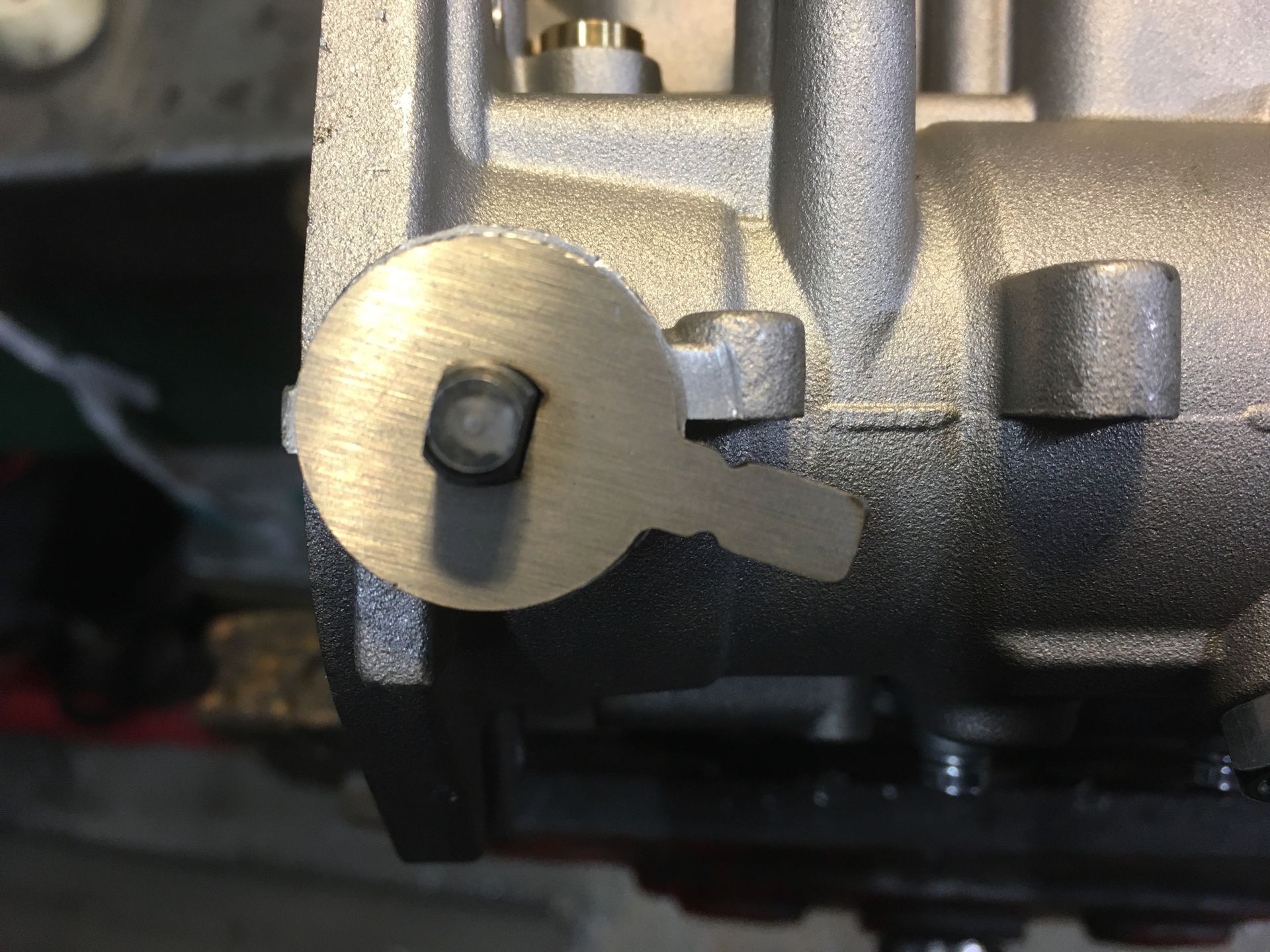
- If the tang faces upwards, remove and flip the throttle stop so that it faces the correct orientation. If you are happy that the stop is oriented correctly, proceed to the next step.
- Next you need to bend the throttle so so that it sits under the throttle adjusting screw. This is very easy to do using two pairs of pliers, or adjustable spanners or a combination of both. The bend should be made at the point on the narrow part of the tang. The part is designed to bend at this location so all you need to do is gently bend it to a 90 degree angle.
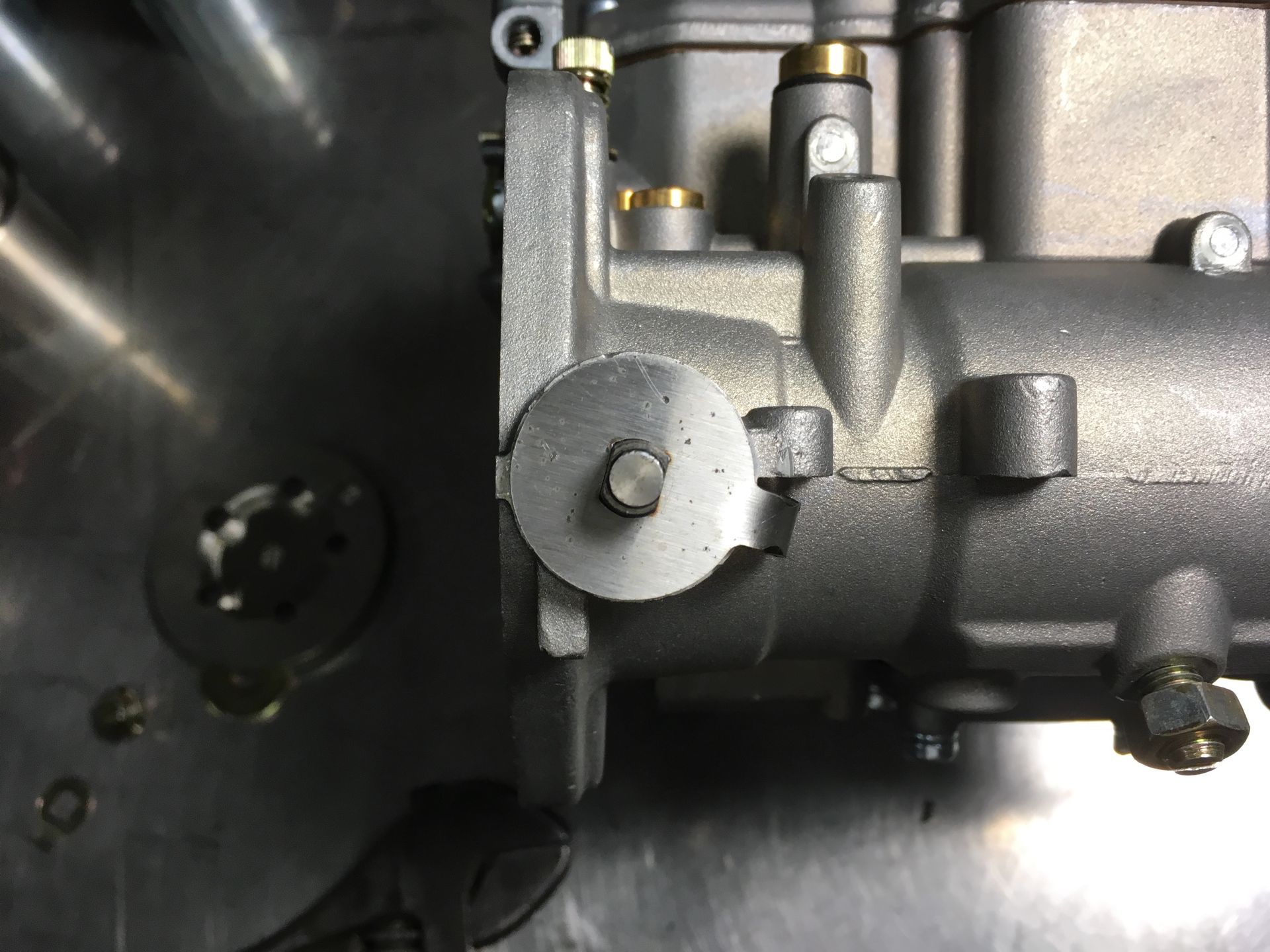
- Refit the throttle stop and make sure that the throttle screw is aligned with the edge of the stop. If it is not tweak the bend until it is. Make sure that the screw is NOT engaging the throttle stop. we will set that later
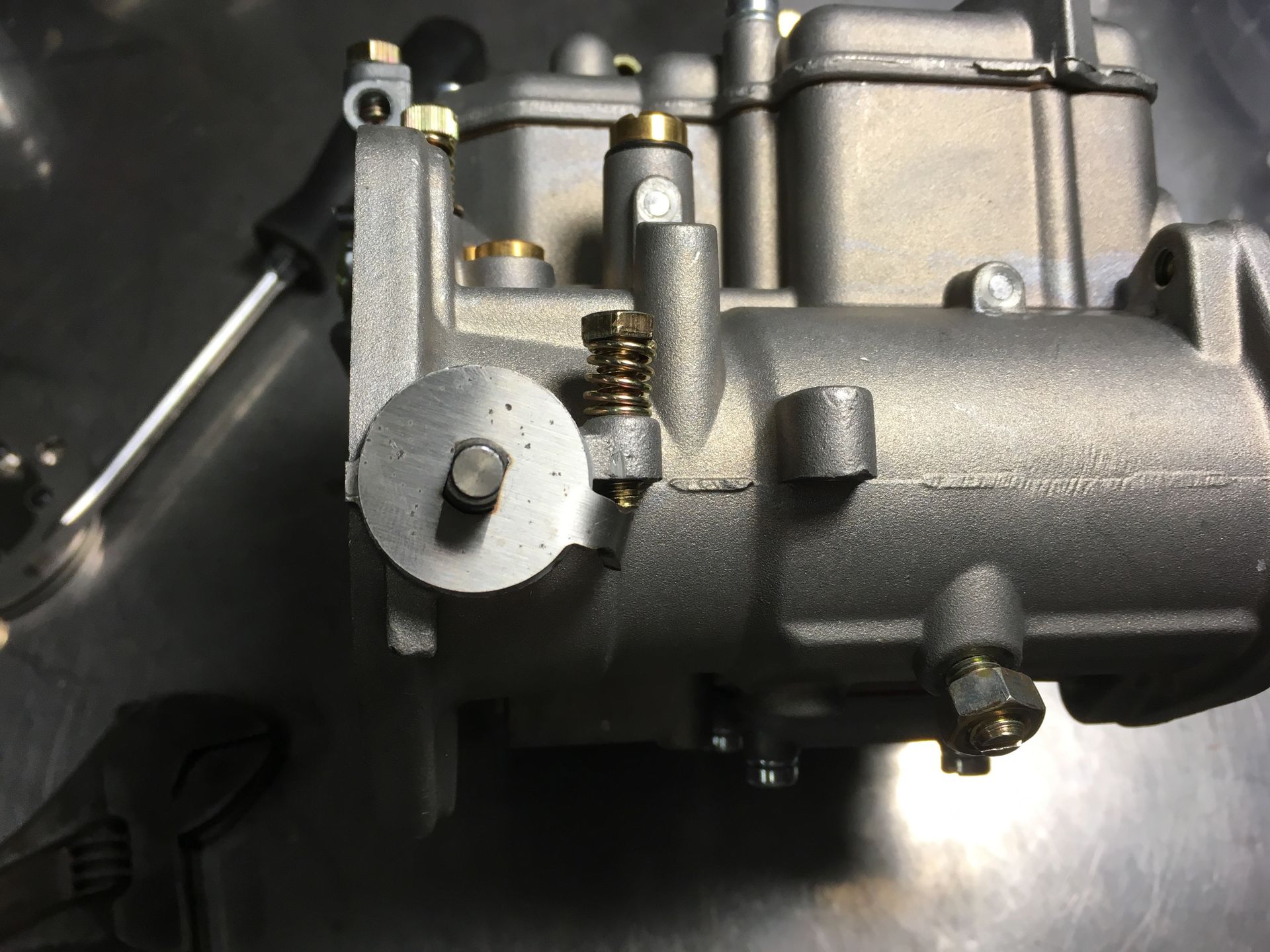
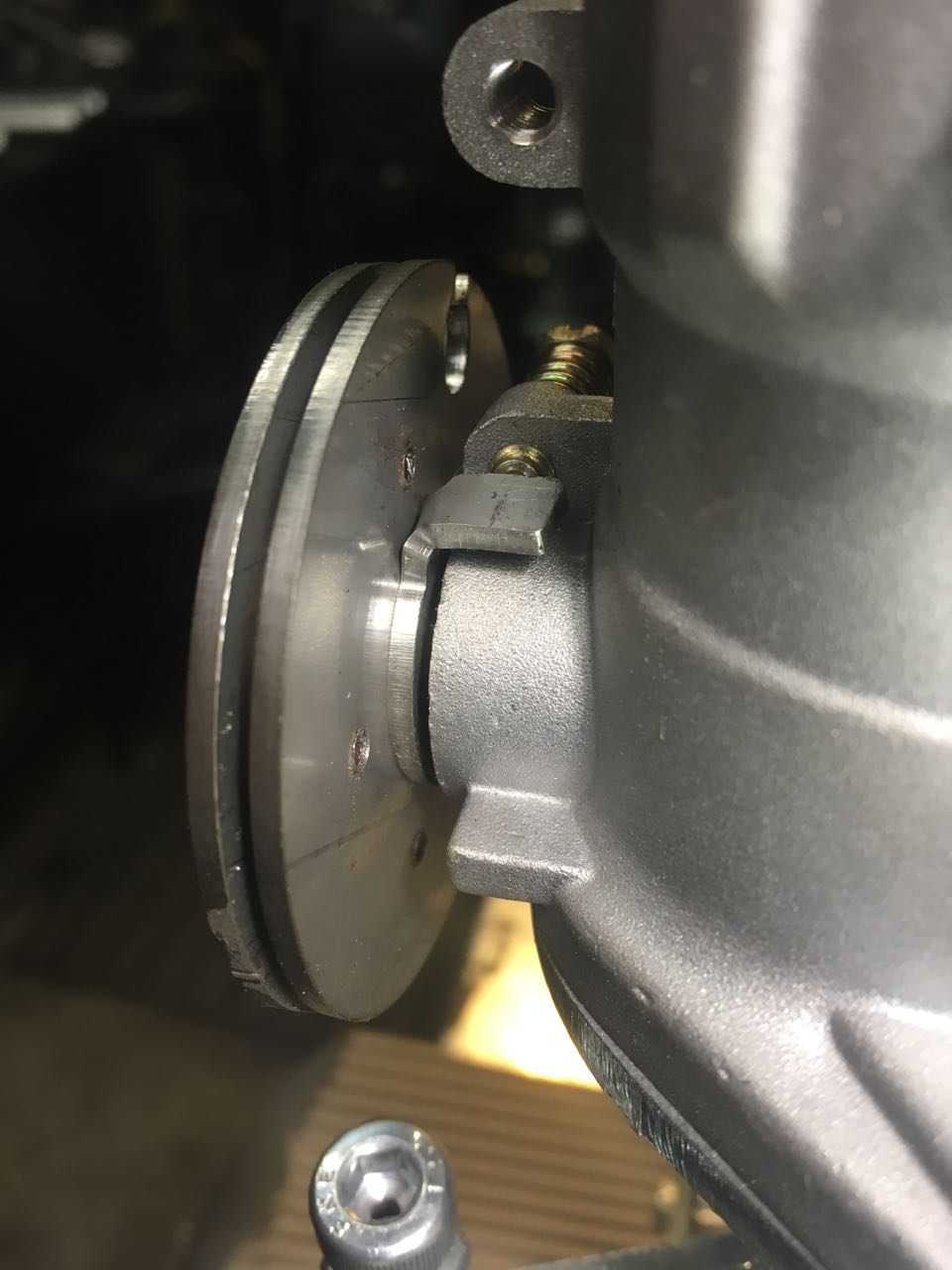
- Next fit the throttle wheel, the locking tab and the nut. Tighten the nut so that is is hand tight.
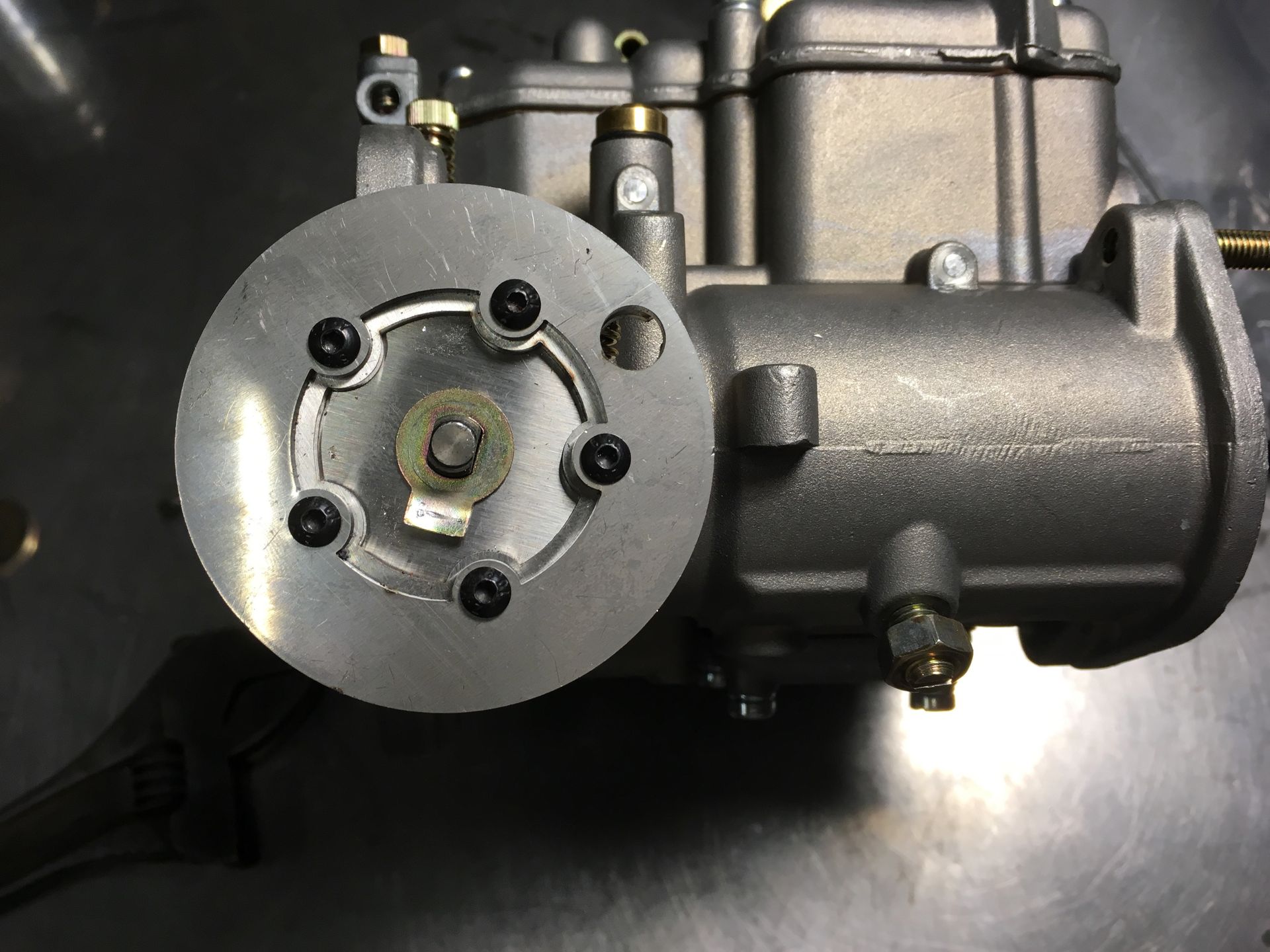
- On the opposite end of the shaft, fit the spring arm so that it faces upwards and towards the supercharger. In this orientiation the throttle return spring can be attached to the centre case nut on the supercharger
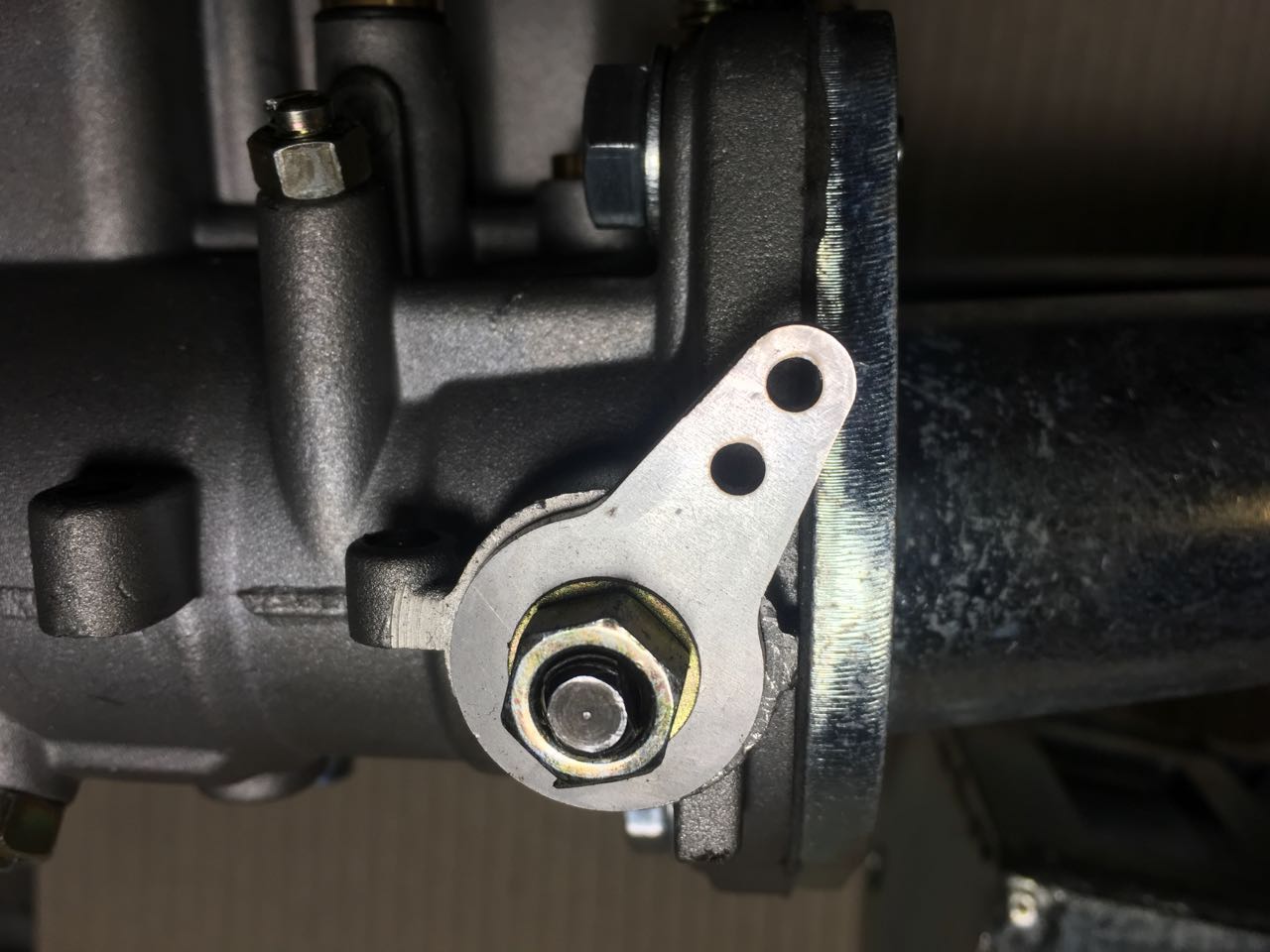
- You can also fit the spring arm so that it faces downwards and towards the air filter. In this orientation the return spring can be attached to the air filter assembly
- With everything installed correctly, gently tighten the nuts on both ends until they are snug.
- Before you bend the locking tabs over you need to check that the throttle plates are not binding. To do this open and close the throttle and check to see if the throttle returns to the fully closed position without binding.
- If the throttle is binding, it is because the butterfliess are no longer central in the bore and you will need to re-centralise the them. To do this loosen all four screws holding the butterflies, not too loose, just enough that the butterflys can move, then snap the throttle shut a few times. this will centralise the butterflys in the bore. Take a look to make sure they are sitting properly. If the screws are too loose the butterflys may move on the shaft and prevent them from closing properly. Once this is done and you are happy tighten the screws.
- Lastly you need to set the throttle stop. Wind the screw in until the butterfly is just starting to open. You can also use a 0.1mm feeler gauge between the butterfly and bore of the carburettor. It only need to be open a little. It should not be so far open as to expose the transition holes. If the transition holes are exposed at idle, the carburettor will suck in excess fuel from the transition circuit and give a false rich reading which will give you tuning headaches.
- Don't forget to bend those locking tabs into position. You can do this by squeezing the tab against the nut using some pliers
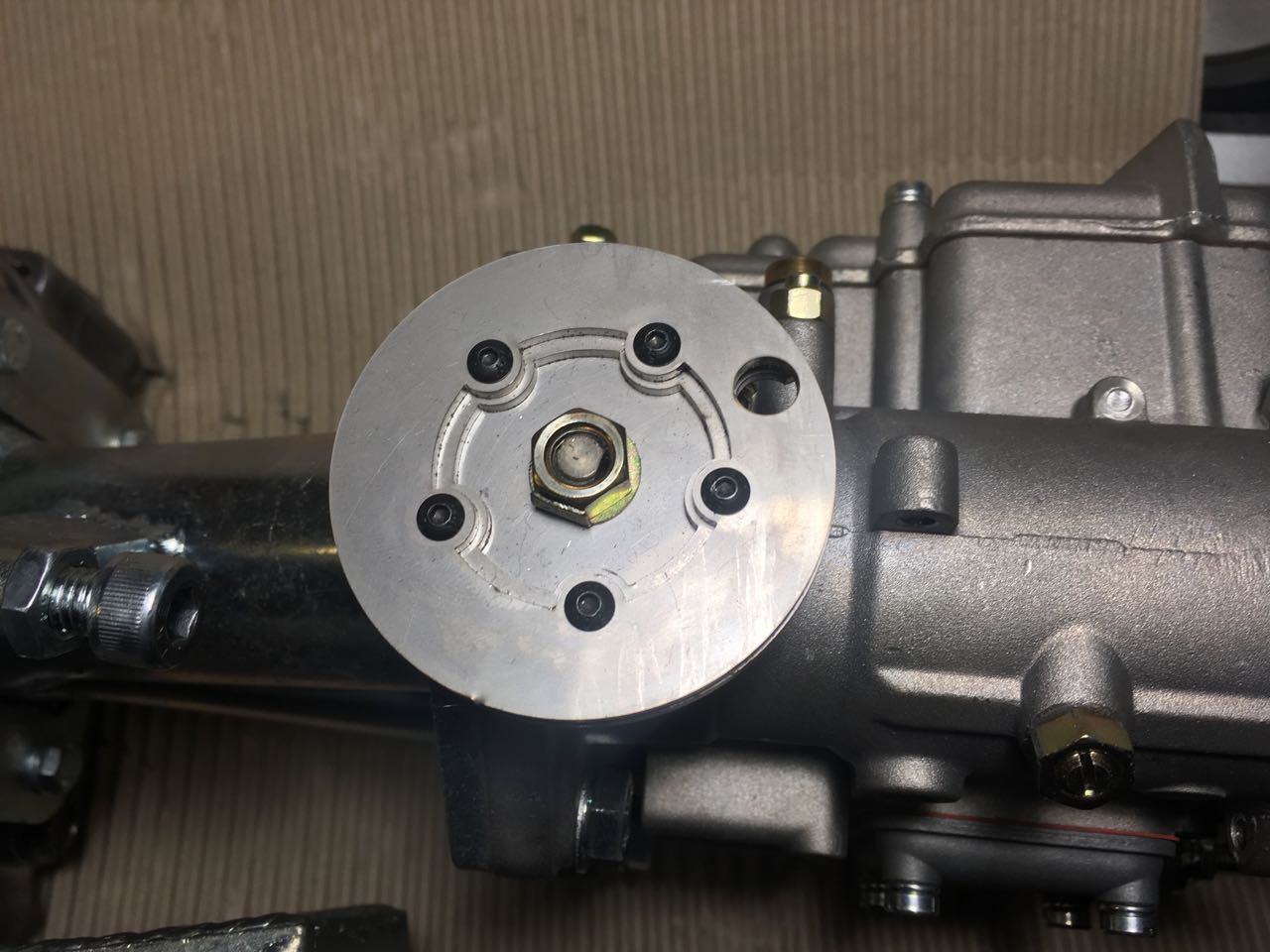
- When you start your engine, if you find that there is not enough air, instead of opening the throttle plate by adjusting the throttle stop, you will need to open up the air bypass screws to allow more air through at idle. This is the correct method for setting idle airflow. You will also need to balance the air bleeds as well.
Return Sprint Selection
With our system the return spring is located at the opposite end of the shaft to prevent this. Just a consideration if you are building a DIY setup or not using one of our carburettors